ART MOVEMENT
Baroque
1600s – 1750s
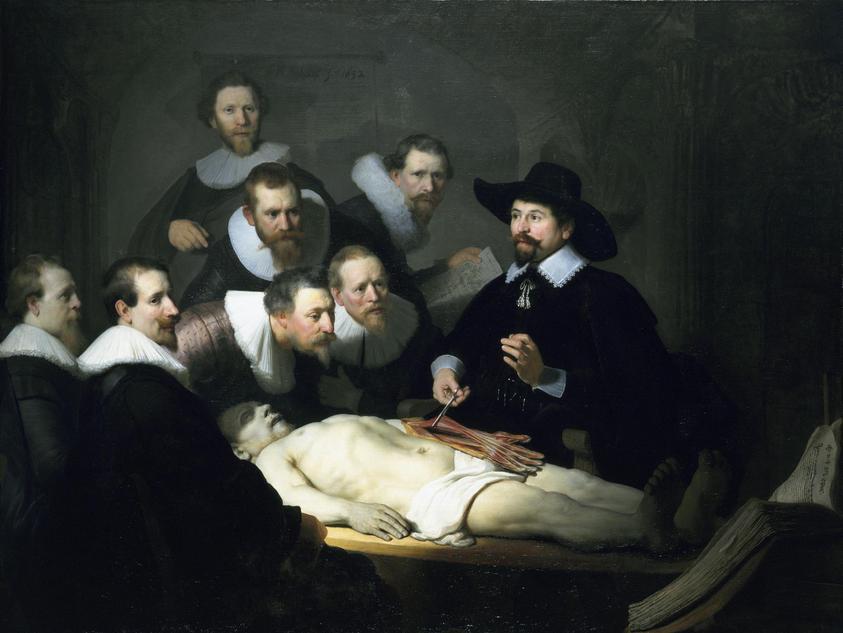
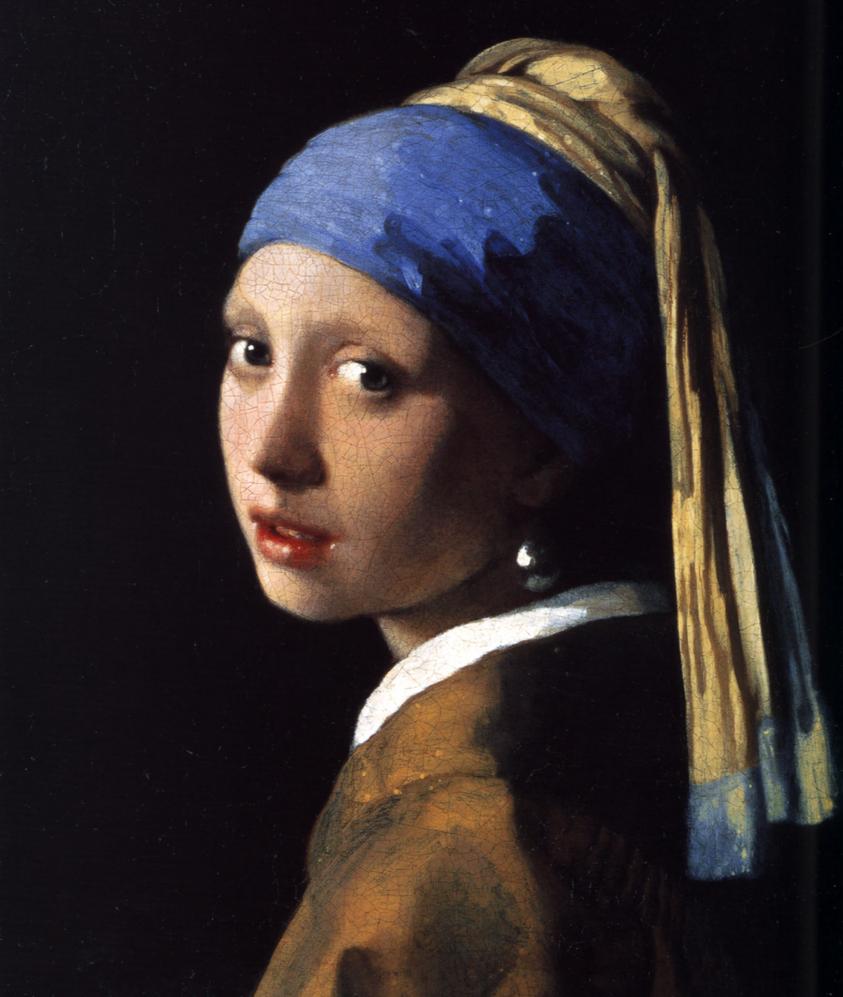
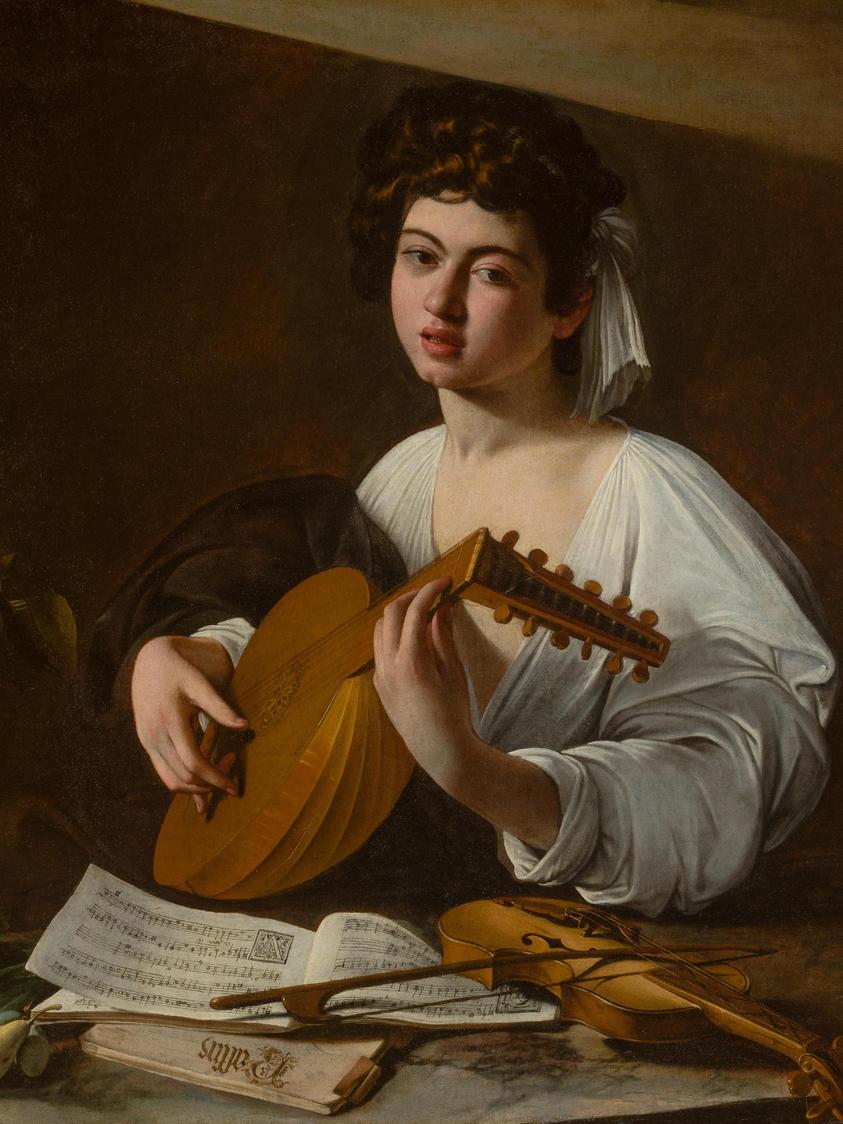
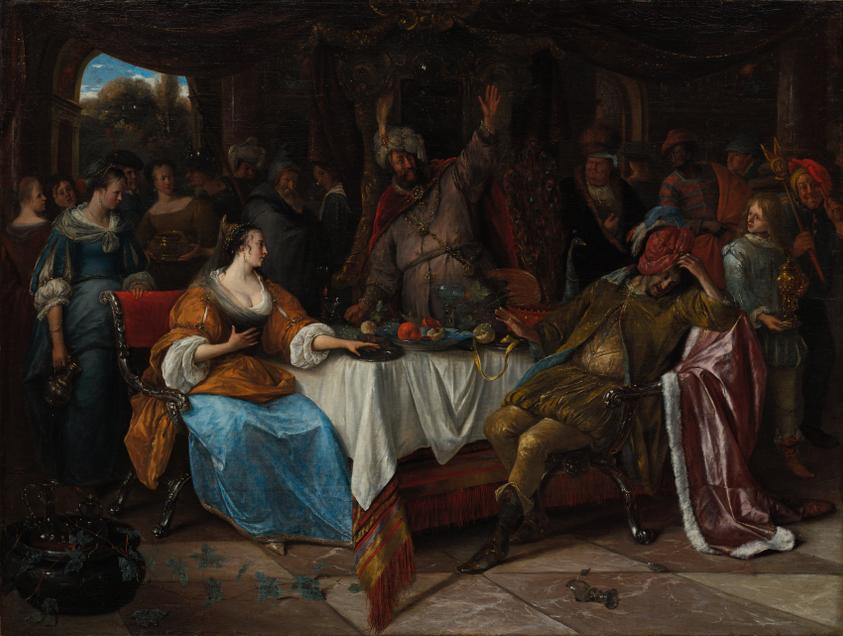
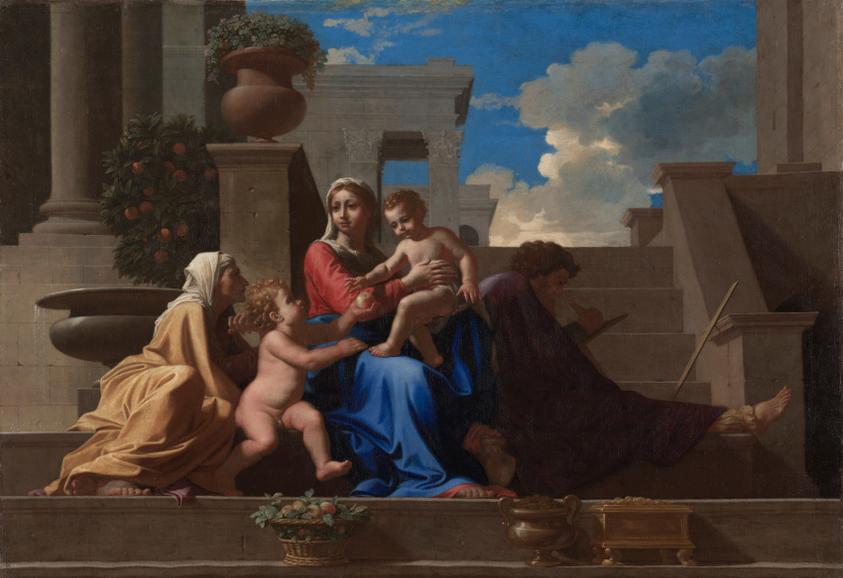
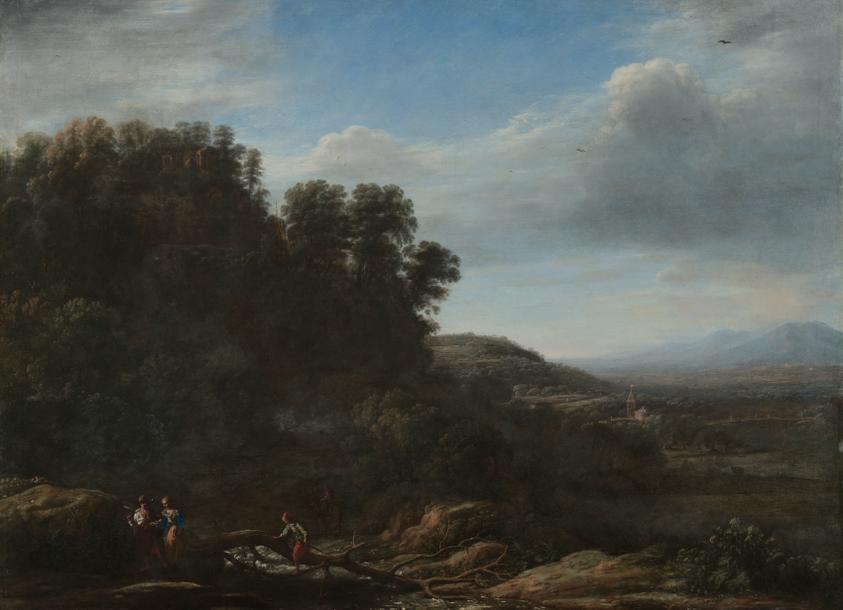
A pan-European style of dramatic light, deep shadow, theatrical movement and emotional intensity, born in Counter-Reformation Rome around 1600 and spreading across Catholic and Protestant Europe alike over the following century and a half. The style grew partly from the Catholic Church's need for a more emotionally powerful religious art after the austere challenges of the Protestant Reformation — images that would move the faithful rather than merely instruct them. Caravaggio was the pivotal figure: his brutal realism, his figures modelled by a sharp lateral light out of near-total darkness, and his willingness to show sacred subjects as raw human events shocked and fascinated in equal measure. North of the Alps, the style fractured into regional variants. In Flanders, Peter Paul Rubens combined Italian grandeur with Flemish sensuous colour, producing altarpieces and mythologies of startling physical vitality. In Holland, where the Reformed church had little use for religious painting, Rembrandt van Rijn turned the same language of light and shadow toward intimate portraiture and self-examination; Johannes Vermeer applied it even more quietly to small domestic interiors, finding the infinite within a lit window and a woman reading a letter. In Spain, Diego Velázquez used the Baroque vocabulary to produce some of the most psychologically penetrating royal portraits in Western art, as well as Las Meninas — a work that has occupied art theorists for three centuries. The Baroque's fundamental trick — isolating a figure or scene in raking light while everything else falls into shadow — is one of the most enduring compositional ideas in Western visual culture. It shapes 17th-century Dutch group portraits, 18th-century theatrical design, 19th-century history painting and, via Hollywood cinematography, virtually every dramatic film made in the last hundred years. The word itself, probably derived from the Portuguese barroco (an irregularly shaped pearl), was originally a term of contempt, applied by later critics who preferred the formal clarity of Neoclassicism.