ART MOVEMENT
Impressionism
1860s – 1890s
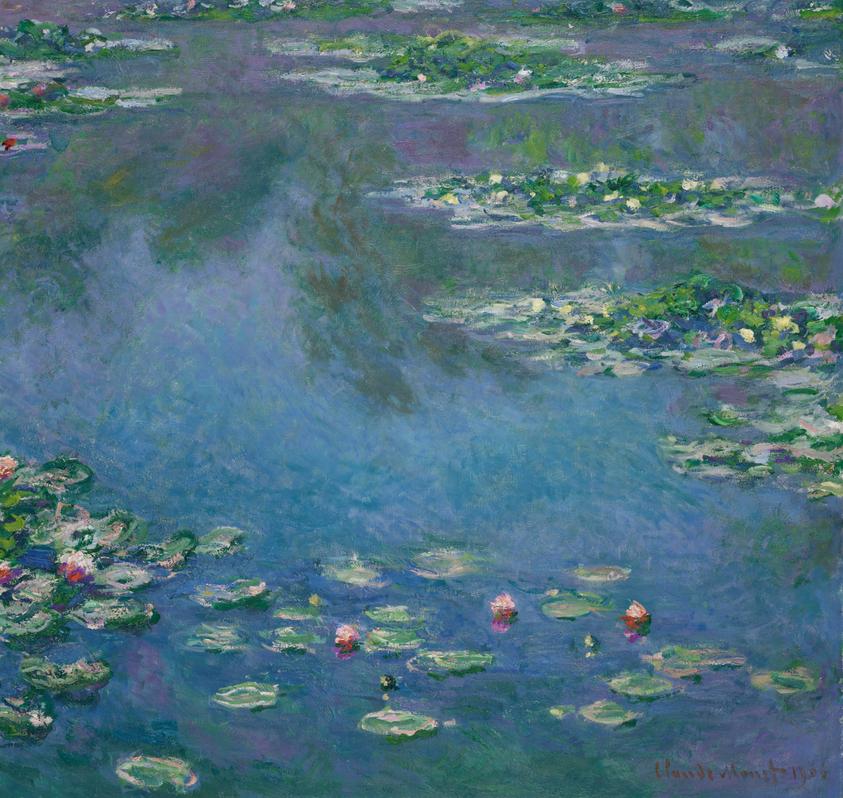
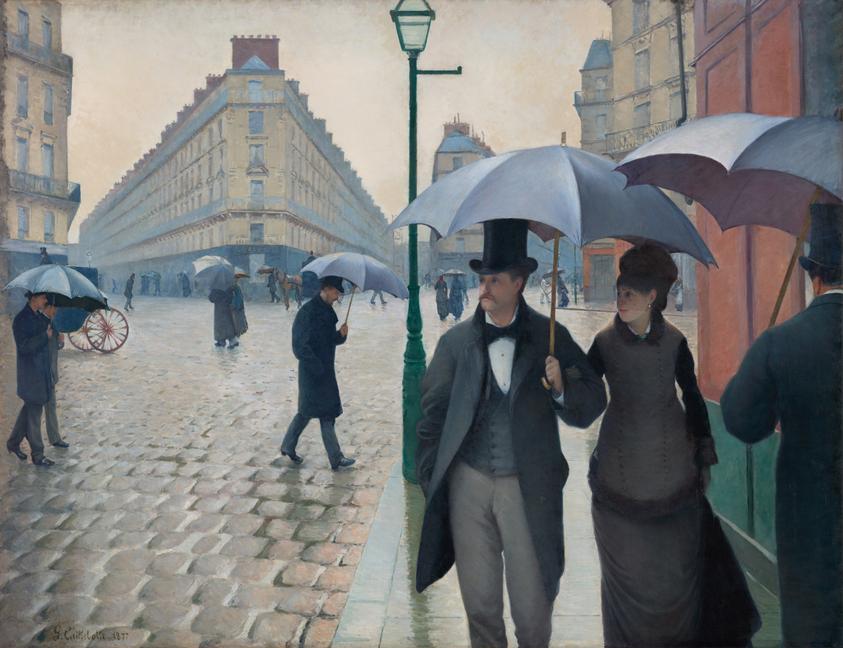
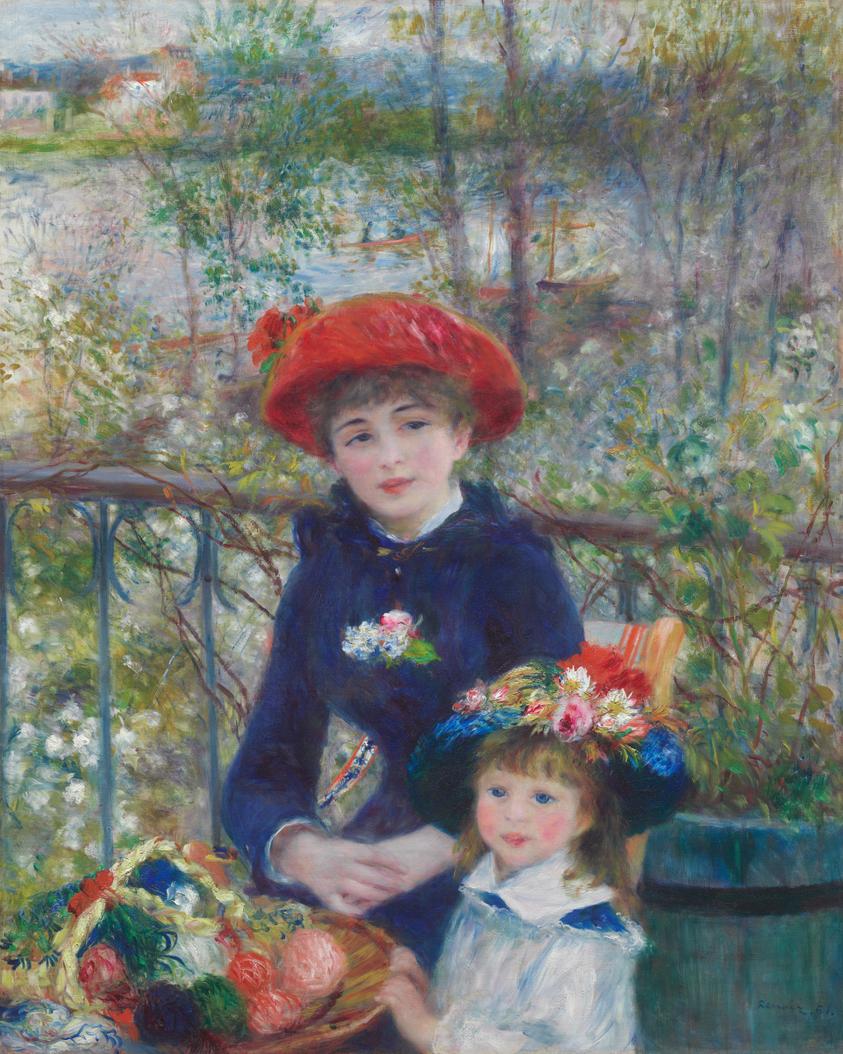
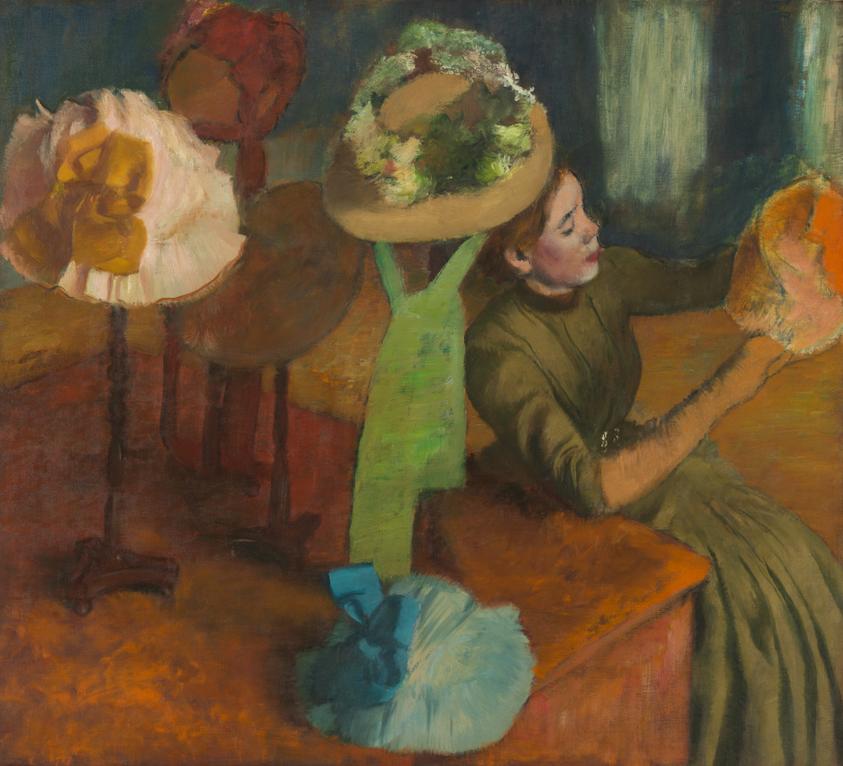
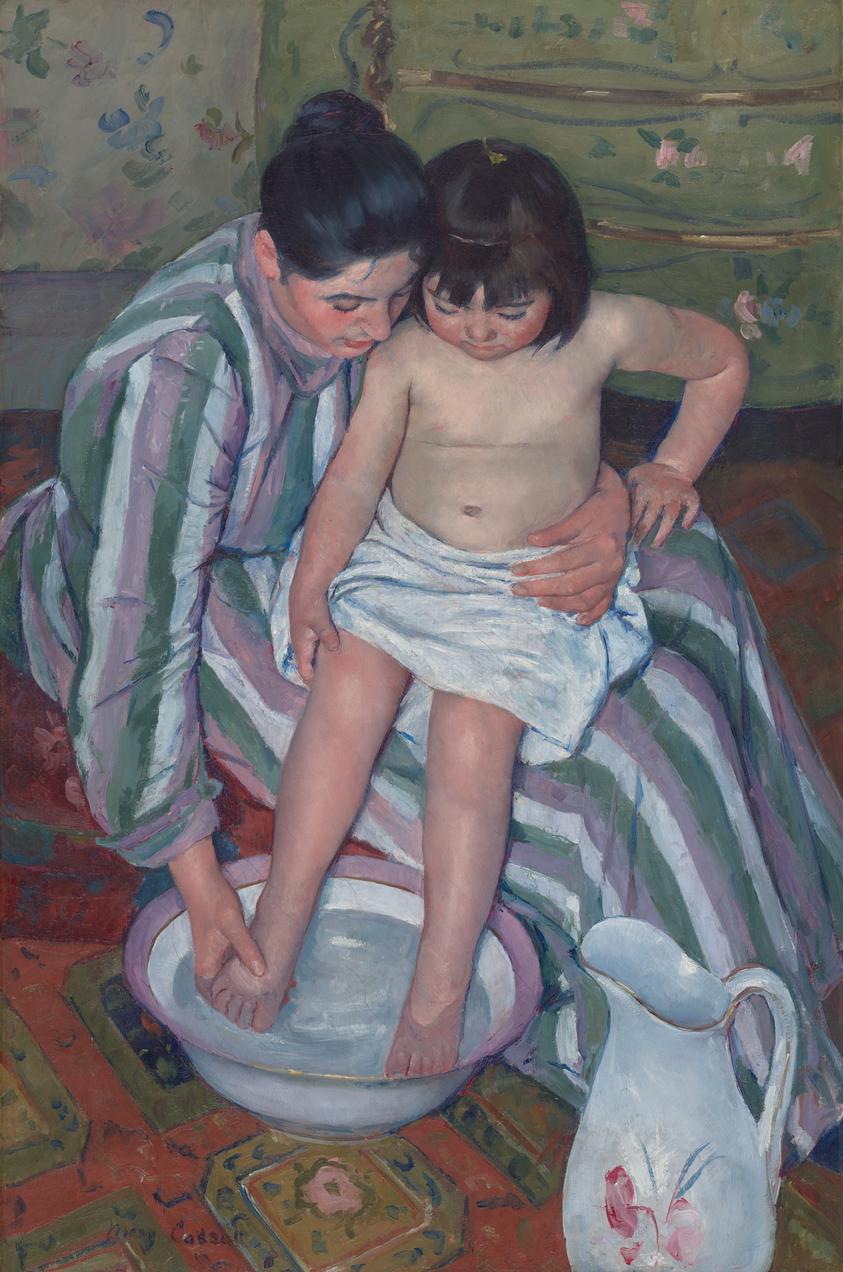
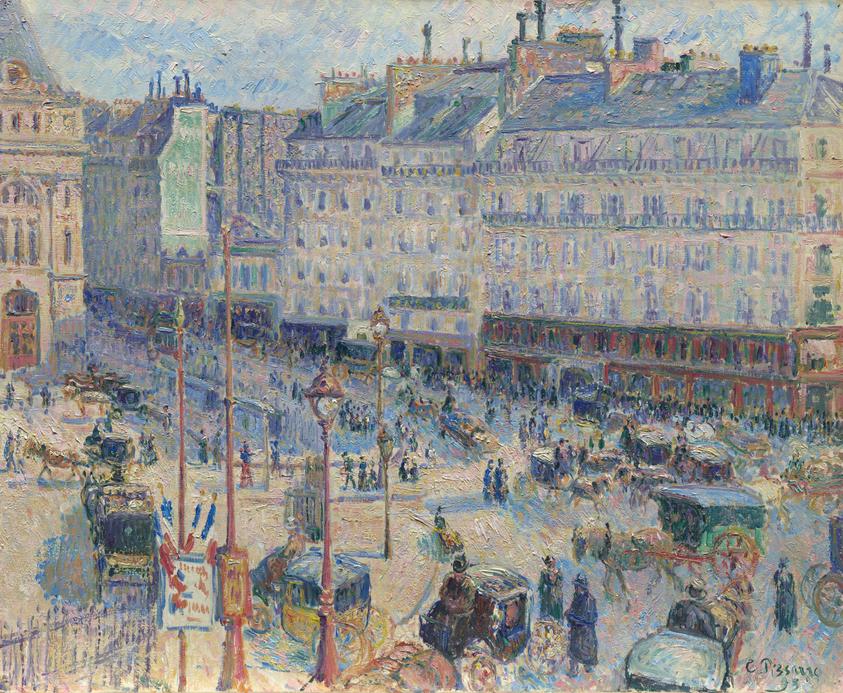
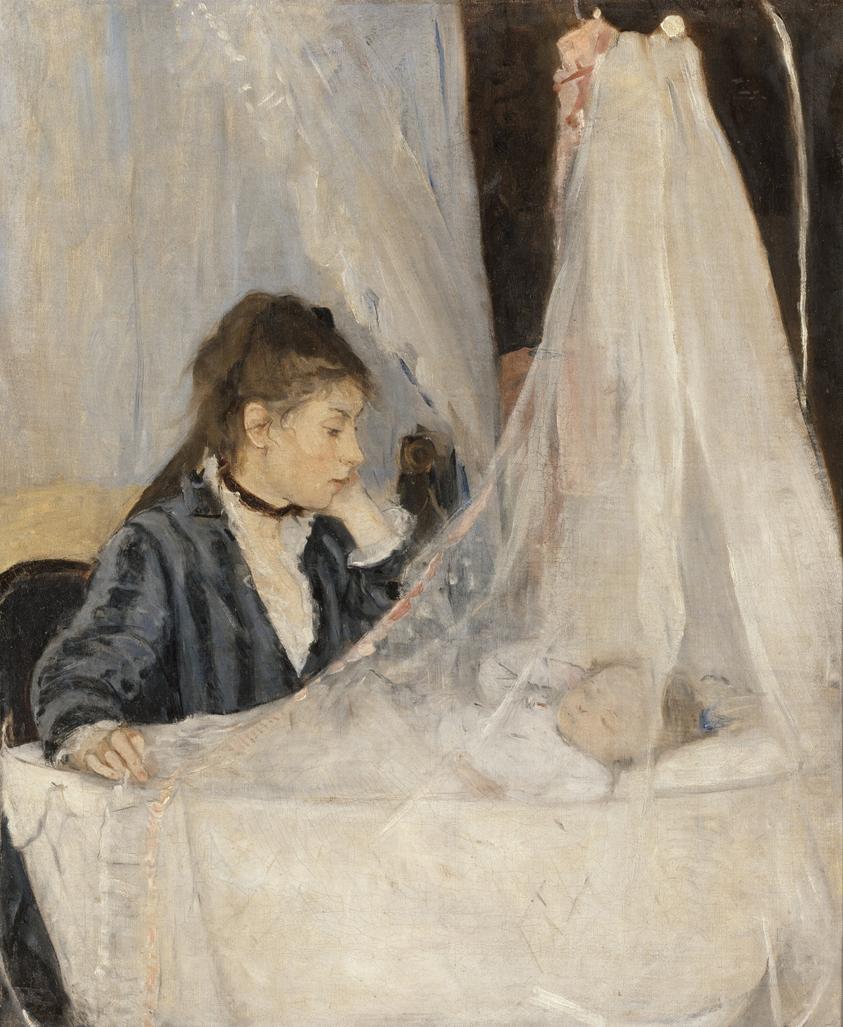
A 19th-century French movement built on broken brushwork, plein-air painting, and a fascination with the shifting qualities of light. Impressionism was born partly as a rebellion against the official Paris Salon, whose juries kept rejecting work that did not look 'finished' in the academic sense — smoothly blended surfaces, historical or mythological subjects, carefully corrected drawing. The breakaway artists organised their own independent exhibitions starting in April 1874, where a hostile critic borrowed the title of Monet's Impression, Sunrise and mocked the whole show as a collection of mere 'impressions.' The painters accepted the insult and turned it into a program. The painters worked outdoors when they could, racing the sun to capture the way light fell on a haystack, a riverbank or a Parisian boulevard at different hours, in different weathers. They rejected the smooth surface of academic painting in favour of visible, rapid strokes that admitted the painter's presence and the passing moment. The core group — Monet, Renoir, Pissarro, Morisot, Sisley, Degas, Caillebotte — brought very different temperaments to these shared principles: Degas almost never painted outdoors and was deeply influenced by Japanese prints and photography; Morisot was among the most technically daring of them all; Pissarro was the moral centre, encouraging and exhibiting with younger artists throughout. Subjects shifted decisively from history and myth toward everyday modern life: cafés, racetracks, department stores, suburban gardens, the new train stations whose steam and steel were remaking the city. By the late 1880s the original group was fracturing under the strain of commercial and personal disagreements, and a younger generation — Seurat, Cézanne, Van Gogh, Gauguin, Toulouse-Lautrec — was already pushing the Impressionist language somewhere new. Those artists are now grouped under the umbrella of Post-Impressionism, a term that would have baffled them as much as 'Impressionism' once baffled their elders.