ART MOVEMENT
Northern Renaissance
1400s – 1500s
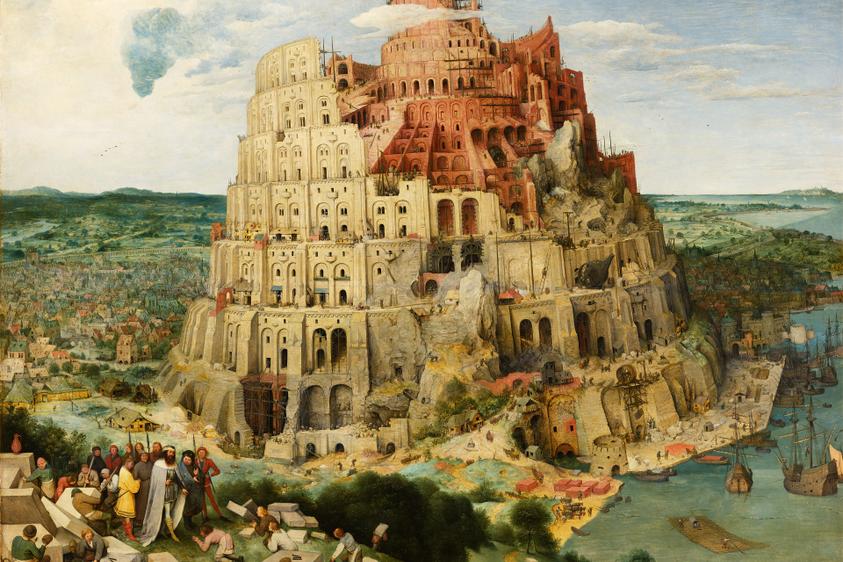
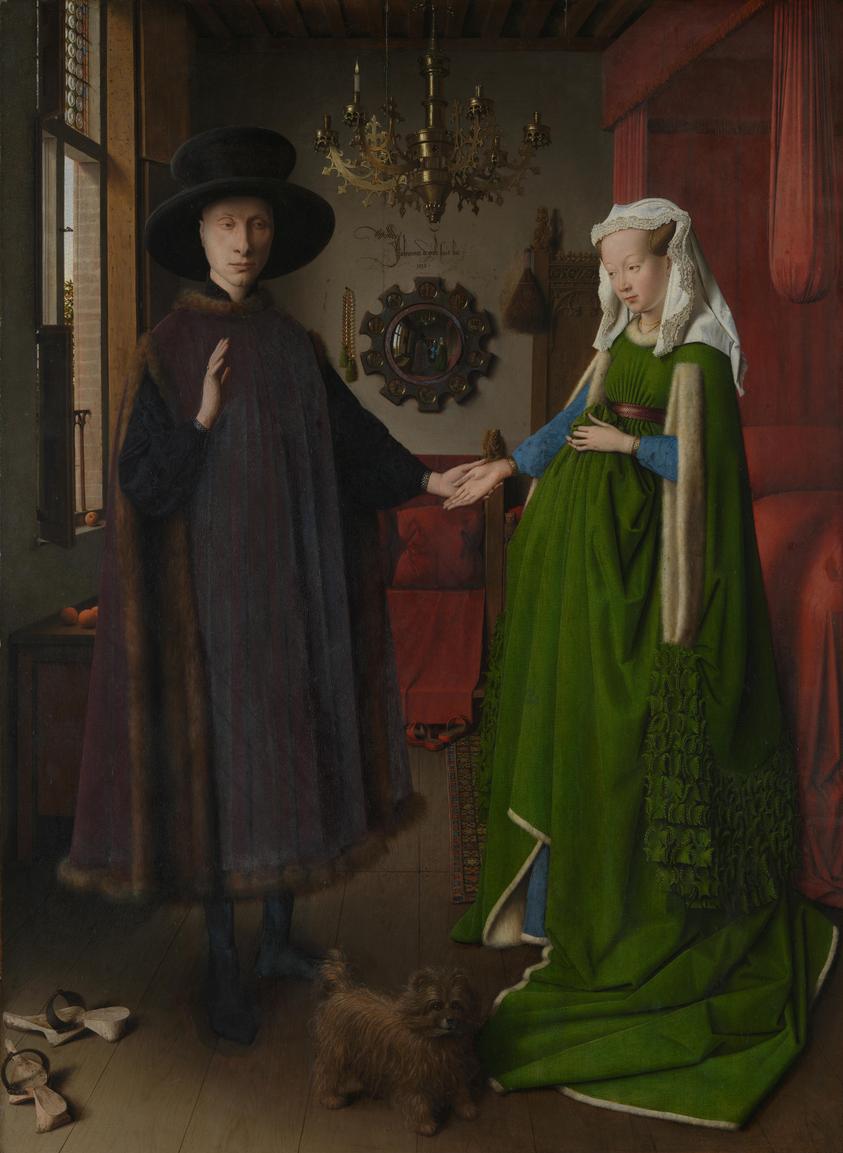
The Renaissance as it took shape north of the Alps — in Flanders, the German-speaking lands, and the Netherlands — where painters developed a parallel tradition that shared the Italian preoccupation with the visible world but pursued it by entirely different means. The most consequential technical innovation was the refinement of oil paint, attributed traditionally to Jan van Eyck in early-15th-century Bruges. Oil's slow drying time and translucent layering capacity allowed Northern painters to build up surfaces of extraordinary luminosity and microscopic detail — the grain of a wooden table, the individual hairs of a fur collar, the reflections in a convex mirror — that no tempera or fresco technique could match. The result was a tradition that found the transcendent in the tactile, the spiritual in the precisely observed material world. The Northern Renaissance produced a remarkable diversity of approaches under this broad technical umbrella. Van Eyck and his Flemish successors (Rogier van der Weyden, Hans Memling, Hugo van der Goes) brought an intense, almost devotional attention to everyday objects as bearers of symbolic meaning. Albrecht Dürer in Nuremberg made the unprecedented move of treating the artist himself as an intellectual equal of humanist scholars, producing self-portraits of startling psychological directness and bringing Italian compositional principles north through his prints. Hieronymus Bosch invented a hallucinatory visual language of hell and folly that has no equivalent anywhere in European art. Pieter Bruegel the Elder turned peasant life into a vehicle for moral inquiry on a grand scale. Where the Italians sought timeless, idealised forms, the Northern masters painted the world as it presented itself — weather-beaten, textured, morally complicated, shot through with earthy humor and religious anxiety simultaneously. The two traditions influenced each other increasingly across the 16th century: Dürer made two trips to Italy; Raphael collected Flemish tapestry cartoons. The merger of their approaches — Italian compositional structure with Northern observational intensity — is largely what academic painting in subsequent centuries looked like.