ART MOVEMENT
Post-Impressionism
1880s – 1900s
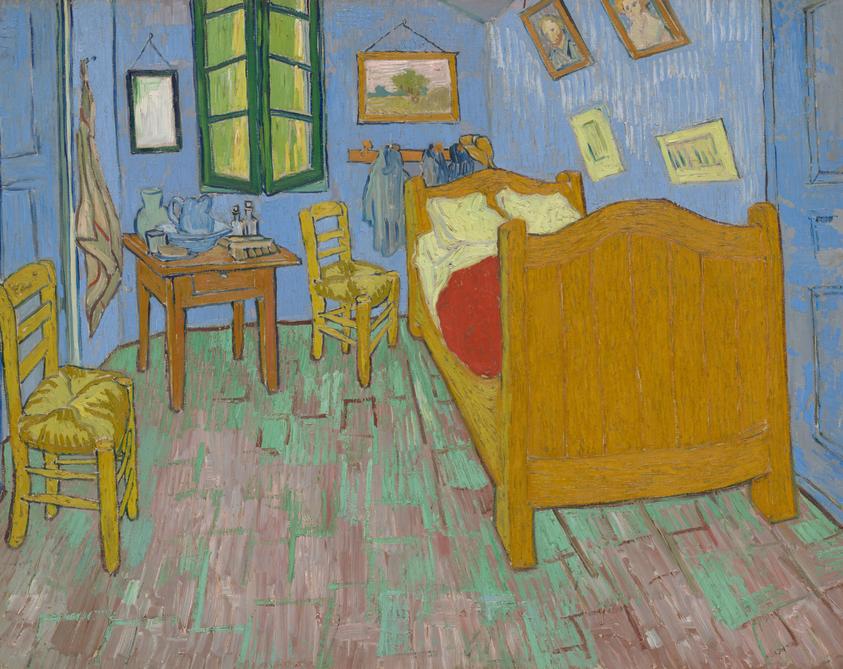
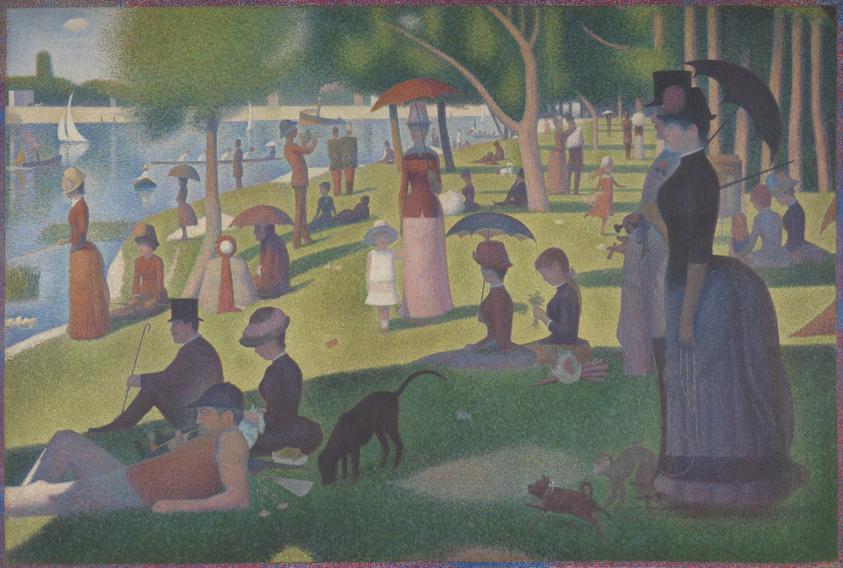
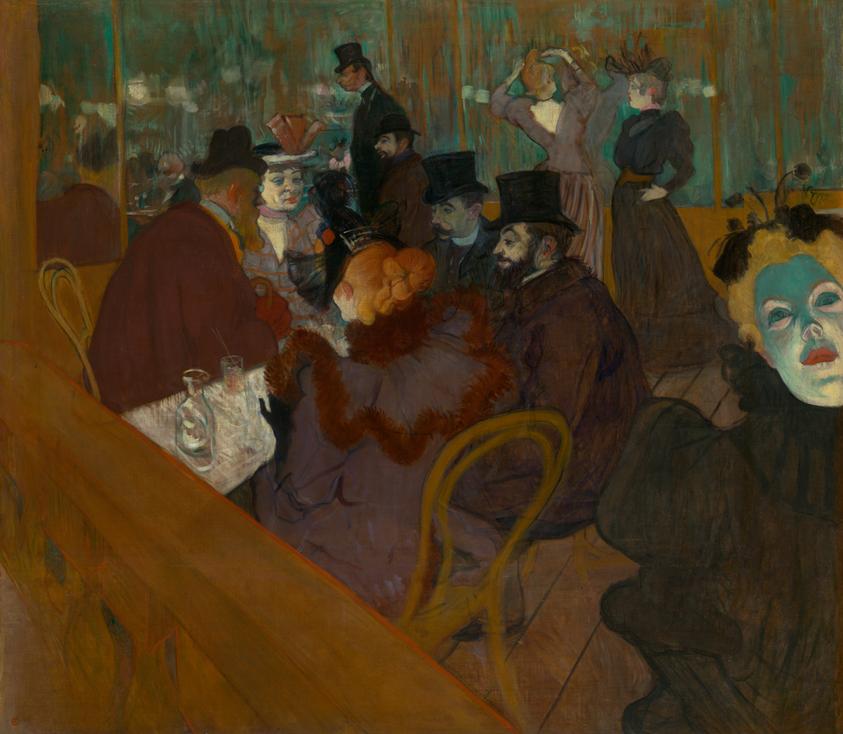
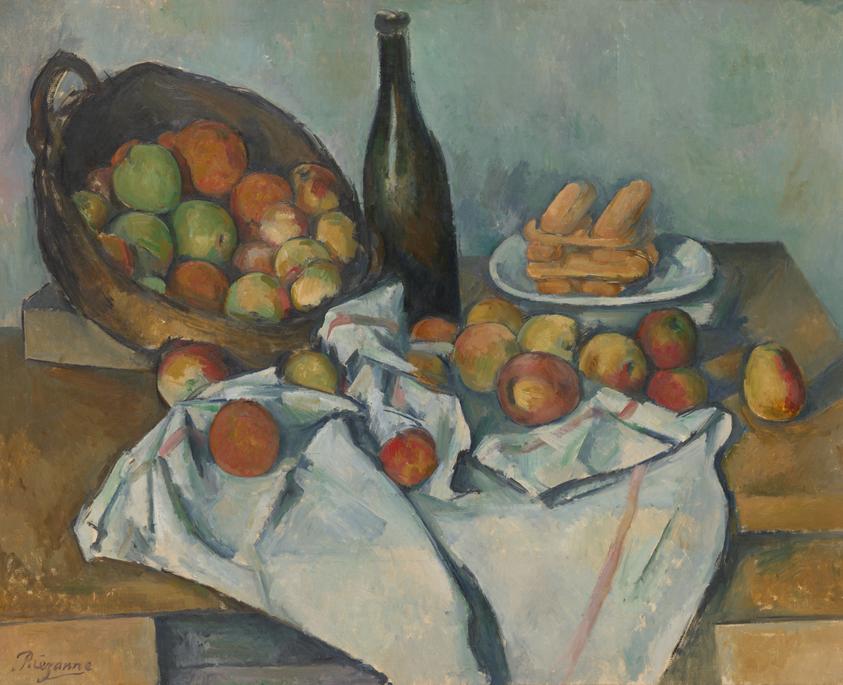
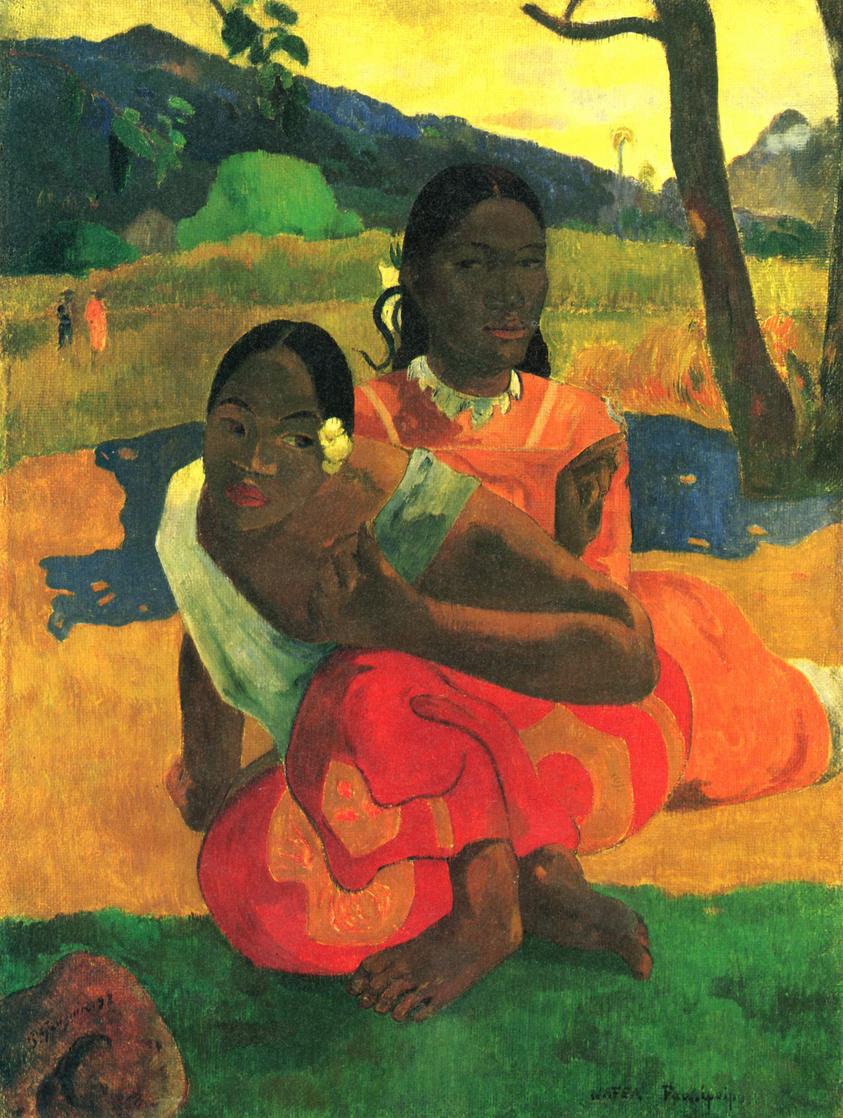
The label was coined retroactively by the British critic Roger Fry in 1910, for an exhibition he organised in London called 'Manet and the Post-Impressionists.' Fry needed a term for artists who had absorbed Impressionism's lessons — working from direct observation, painting modern subjects, rejecting academic convention — but found its surface too passive, too rooted in the merely optical. The artists he had in mind — Cézanne, Van Gogh, Gauguin, Seurat — had no shared manifesto and never exhibited together as a group. What links them is the shared problem they were trying to solve: once you have freed colour and brushwork from the demand to describe surfaces accurately, what are they for? Each answered differently. Cézanne turned toward underlying geometric structure, building his canvases in slow, methodical planes of colour to reveal the permanent architecture beneath appearance — the project Picasso and Braque would push into Cubism a decade later. Seurat developed Divisionism (also called Pointillism), applying tiny dots of pure pigment that the eye was supposed to mix at a distance, based on the colour theory of Michel Eugène Chevreul and Ogden Rood. Van Gogh bent colour and brushstroke toward emotional expression, his skies and fields alive with a physical energy that has nothing to do with atmosphere. Gauguin abandoned Europe and naturalistic colour altogether, pursuing what he called a more 'primitive' symbolic language in Brittany, Martinique and finally Polynesia. Together they cracked open almost every major option that art would explore in the 20th century. Cézanne pointed toward Cubism and abstraction; Van Gogh toward German Expressionism; Gauguin toward Fauvism, tribal influence and the non-Western turn; Seurat toward Op Art and colour-field painting. A movement defined by its diversity, Post-Impressionism is less a style than a shared act of departure — the moment Western painting decided that observation alone was not enough.