ART MOVEMENT
Italian Renaissance
1400s – 1500s
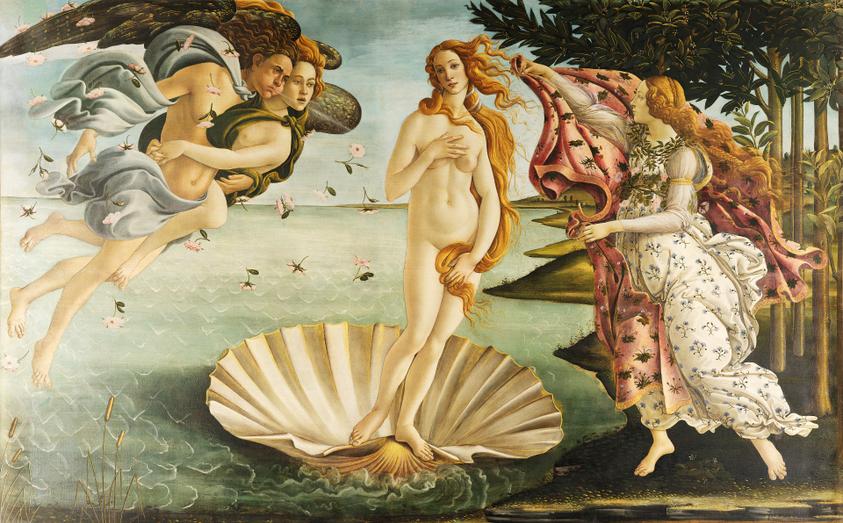
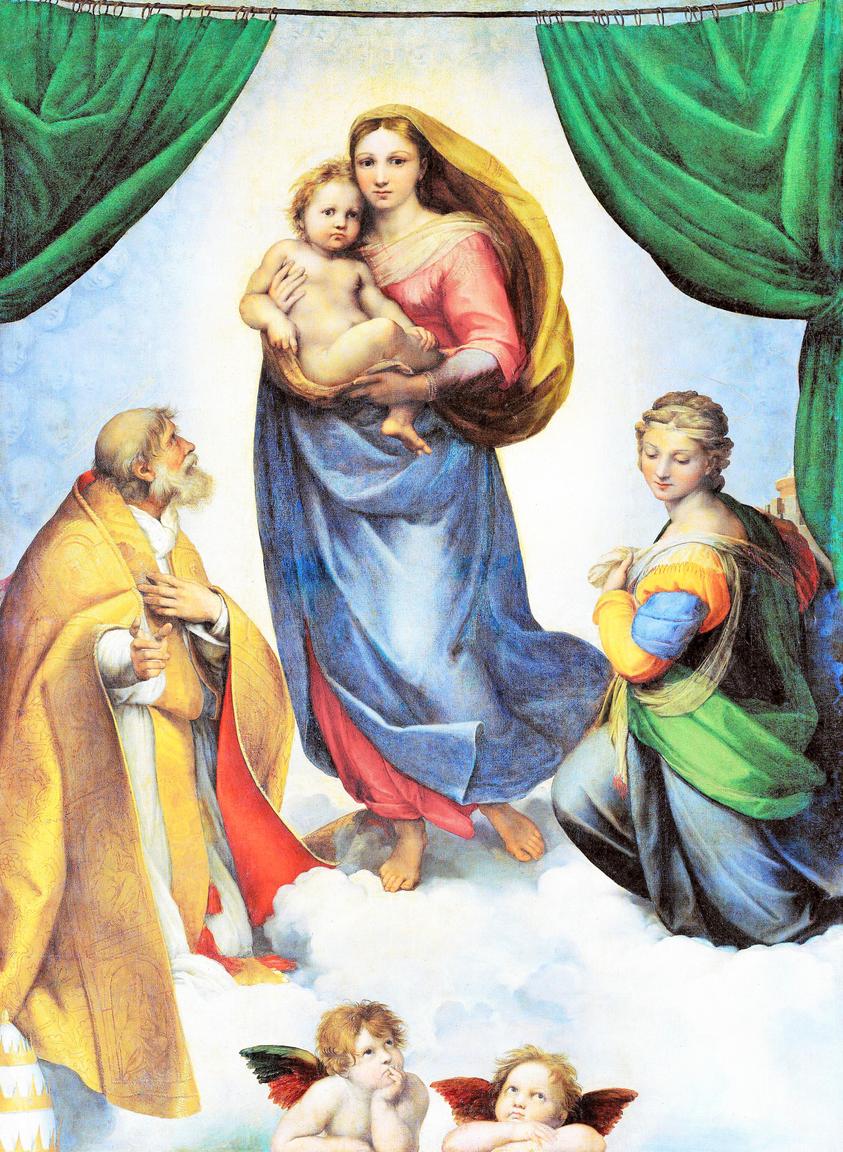
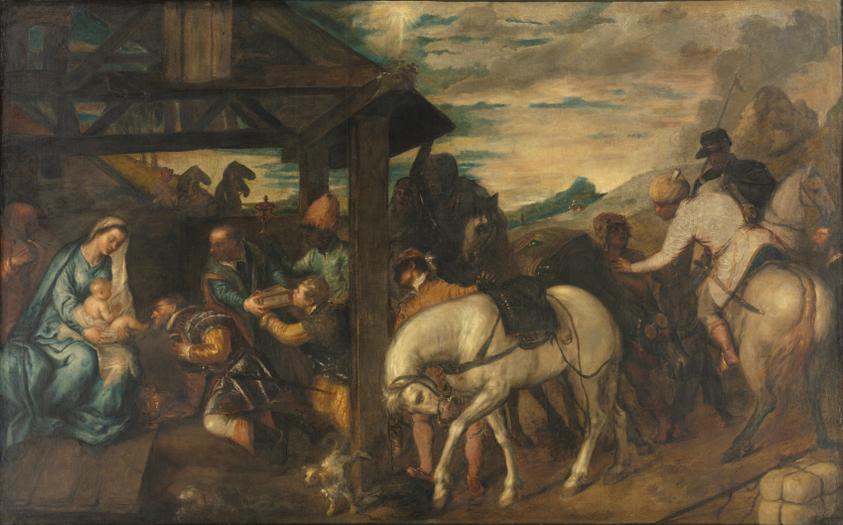
The cultural movement that rediscovered, translated and transformed the artistic and intellectual legacy of ancient Greece and Rome, flowering in 14th-century Florence and reshaping European civilisation across the following two centuries. Renaissance literally means 'rebirth' — and the rebirth in question was of classical learning, human proportion and rational inquiry after the perceived darkness of the medieval period. In painting, the transformation was as much technical as conceptual: the gradual development of linear perspective (formalised by Filippo Brunelleschi and codified by Leon Battista Alberti around 1435) gave painters a mathematically unified pictorial space for the first time, allowing the flat wall or panel to function as a window onto a coherent three-dimensional world. The patronage system was inseparable from the art. The Medici family in Florence, the Sforza in Milan, the Este in Ferrara and, above all, the Papacy in Rome funded an extraordinary concentration of artistic talent and gave it unprecedented ambition of scale. Sandro Botticelli mapped ancient mythology onto the Christian visual tradition in the Primavera and The Birth of Venus. Leonardo da Vinci combined painting with anatomy, engineering, botany and hydraulics in the same notebooks, producing works of overwhelming psychological depth in the Sfumato-softened faces of the Virgin of the Rocks and the Mona Lisa. Raphael achieved a classical serenity of composition that would be the benchmark of academic painting for four centuries. Michelangelo, the most physically powerful of them all, treated every surface as a challenge to the limits of the human figure. The Italian Renaissance's influence on subsequent European art was almost total for three centuries. Its conventions — perspective, the idealised human figure, the hierarchy of genres (history painting above portraiture, portraiture above landscape) — became the founding assumptions of the academies that trained European painters from the 17th century onward. Even the 19th-century movements that rebelled against it — Realism, Impressionism — defined themselves partly in opposition to the academic tradition the Renaissance had built.